«Blessed Antoine Chevrier: Following Jesus in his poverty»
A history with its roots in the Franciscan tradition: Father Chevrier enrolled the family in the Franciscan «Third Order», not to follow a Franciscan rule, but because, like Saint Francis, the only rule is that of the Gospel. Throughout their history, the priests of Le Prado have always remained diocesan priests rather than members of a religious order.
The development of the priests and consecrated laypeople of El Prado
In 1934, the Prado left Lyon. In 1956, it left France for Spain. The following year, members of the Prado community were sent to Morocco. In the 1950s, requests began to arrive at the Prado asking it to send priests Fidei Donum in Latin America, the Arab world, Africa, Vietnam… In 1958, missionaries were sent to the Far East, West Africa and South America. For the most part, the local bishops’ request was for the training and support of the local clergy.
The Prado is growing amongst the clergy in various countries. It is beginning to establish itself in Spain, Italy, North Africa and the Middle East. It is emerging in several other countries. The Prado’s organisational structure was revised in 1967, following the Council, which accelerated its international expansion.
- 4 « Prado erected »are recognised and organised as follows: France, Spain, Italy, and Middle East.
- A « General Council »consists of" Bishop Ancel, the Superior General, an assistant and a delegate from each «established» Prado.
- The « Prado de France »… is being organised and a person in charge has been appointed.".
In 2026, the There are more than 1,000 priests and 15 consecrated laypeople. They are present on four continents in around forty countries, including Spain, Italy, West and North Africa, the Middle and Far East, and South America. Membership numbers vary considerably from country to country. The Prado communities in Korea and Brazil have become «established Prado communities». The African continent is also seeing growth, with priests Fidei donum in France and Spain, discover the Prado in their host country.
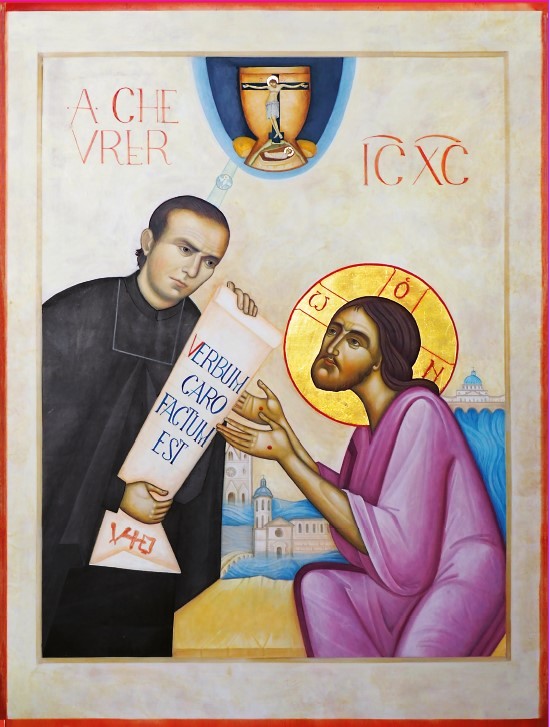
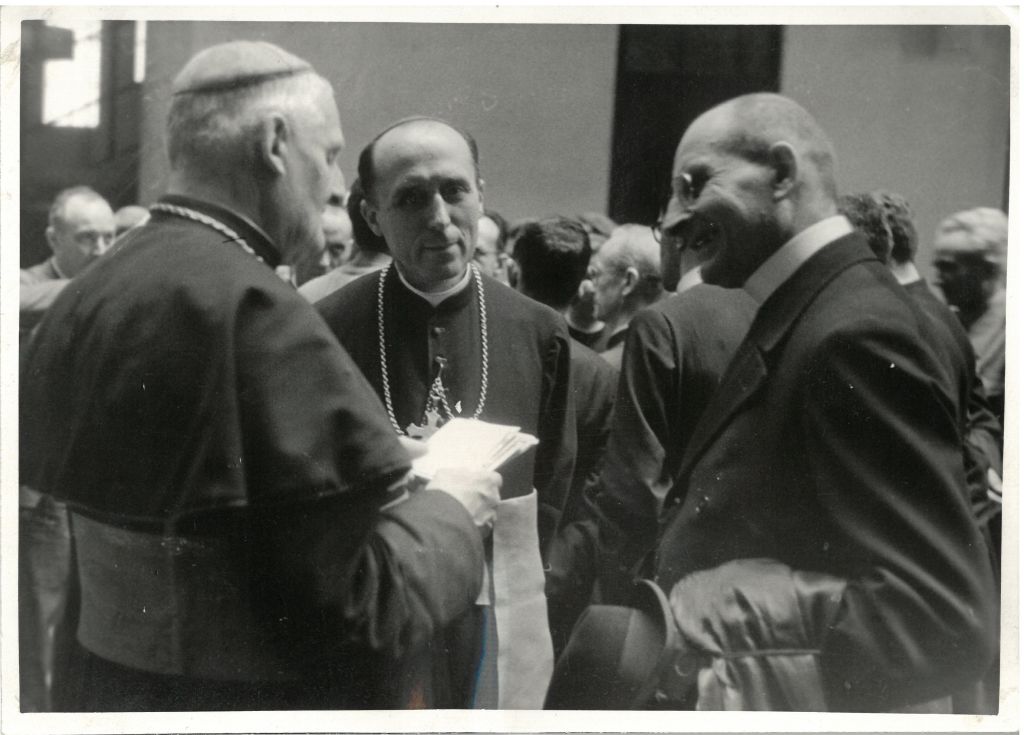
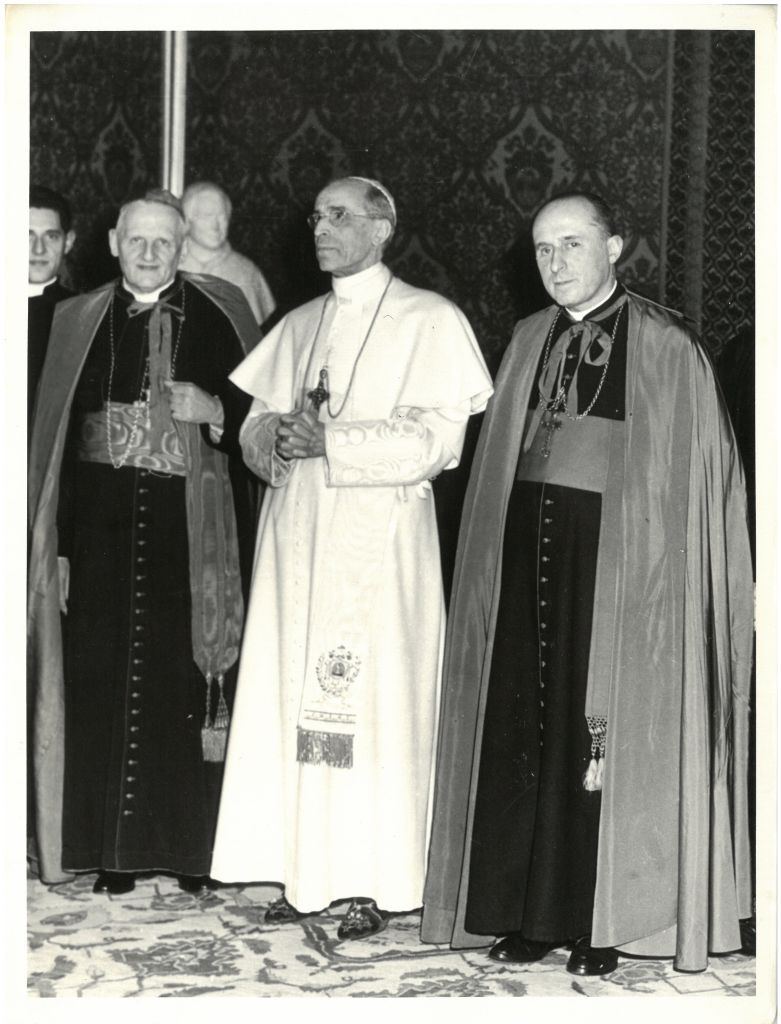
Monsignor Ancel, Auxiliary Bishop of Lyon
The Archbishop of Paris and the Holy See were indeed intending to entrust this exceptional priest with the responsibility of a diocese. Cardinal Gerlier proposed to Pius XII that he be appointed auxiliary bishop of Lyon, so as not to remove him from the Prado. He was ordained on 25 March 1947. Although he was not ‘the Bishop of the Prado’, this role gave him influence and contacts far beyond the institute, and enabled the Prado to continue its growth.
Bishop Ancel played a major role, through his exceptional personality, in the international development of both the Institute of Priests and the Sisters of the Prado. He also spearheaded the creation of a branch of consecrated laywomen, which became the «Prado Institute for Women».
The establishment of the «Institut Féminin du Prado» (IFP)
It is one of the recent foundations of the Prado family, which arose from the desire of women who wish to remain in their lay state of life and, whilst living a celibate life, to dedicate themselves to living in the world through their work and their presence in everyday life. They are now present in six countries, including the Middle East (Lebanon, Egypt), Latin America and Europe. It is a distinctive vocation that involves sharing the lives of ordinary people. To find out more…
The story of the sisters
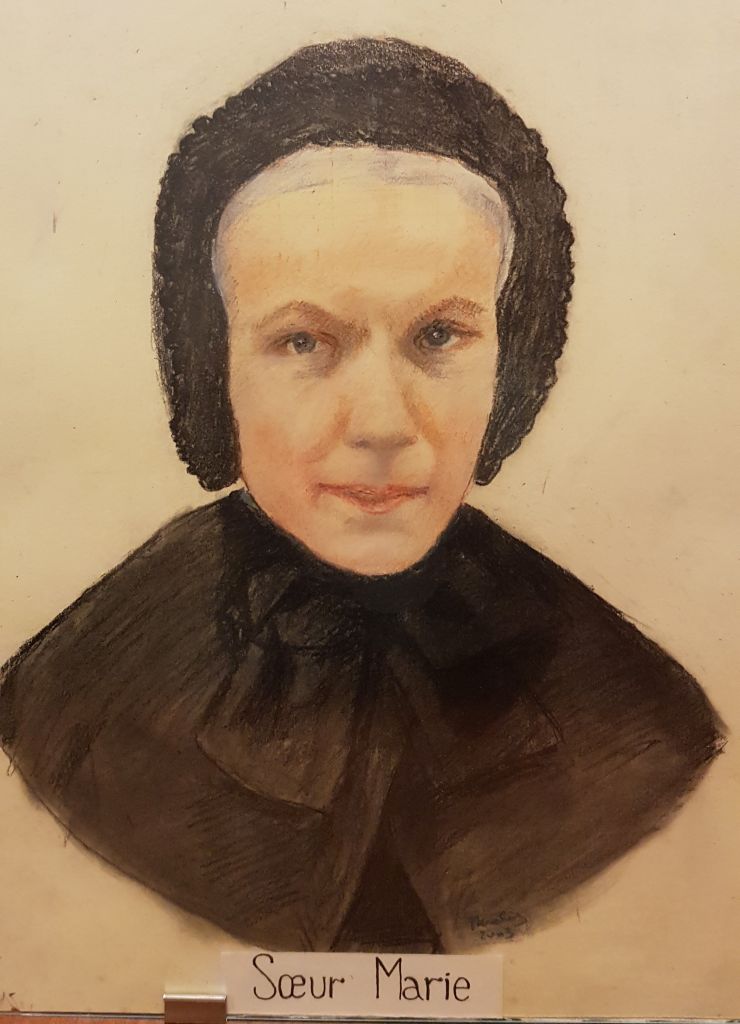
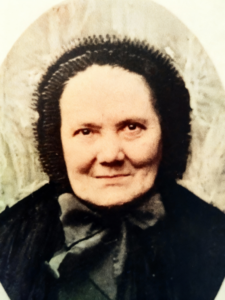
Sr Marie Boisson, the first sister at Prado
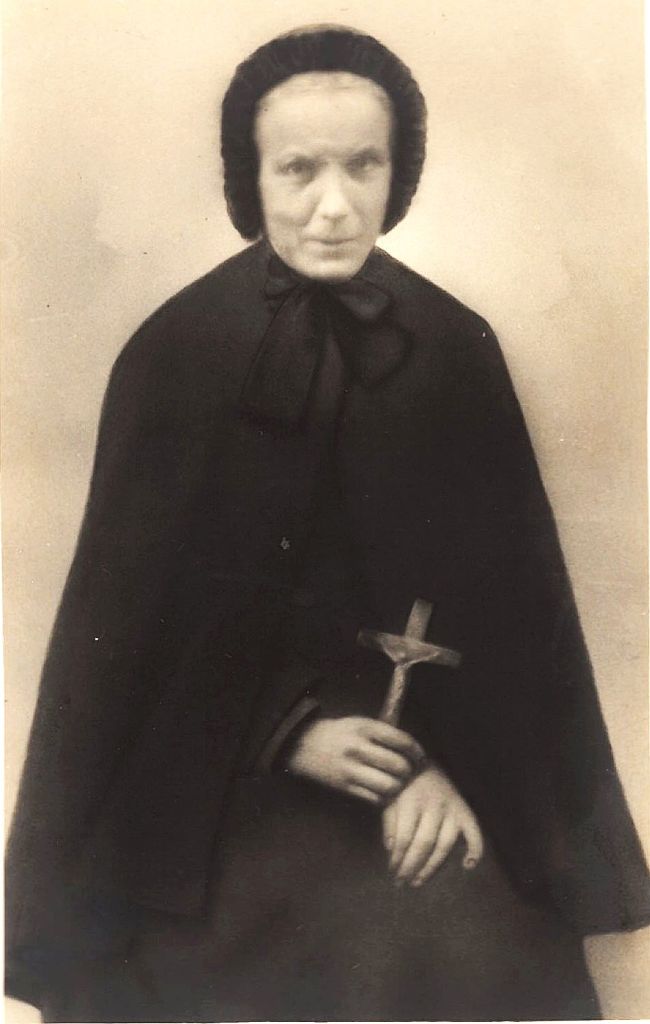
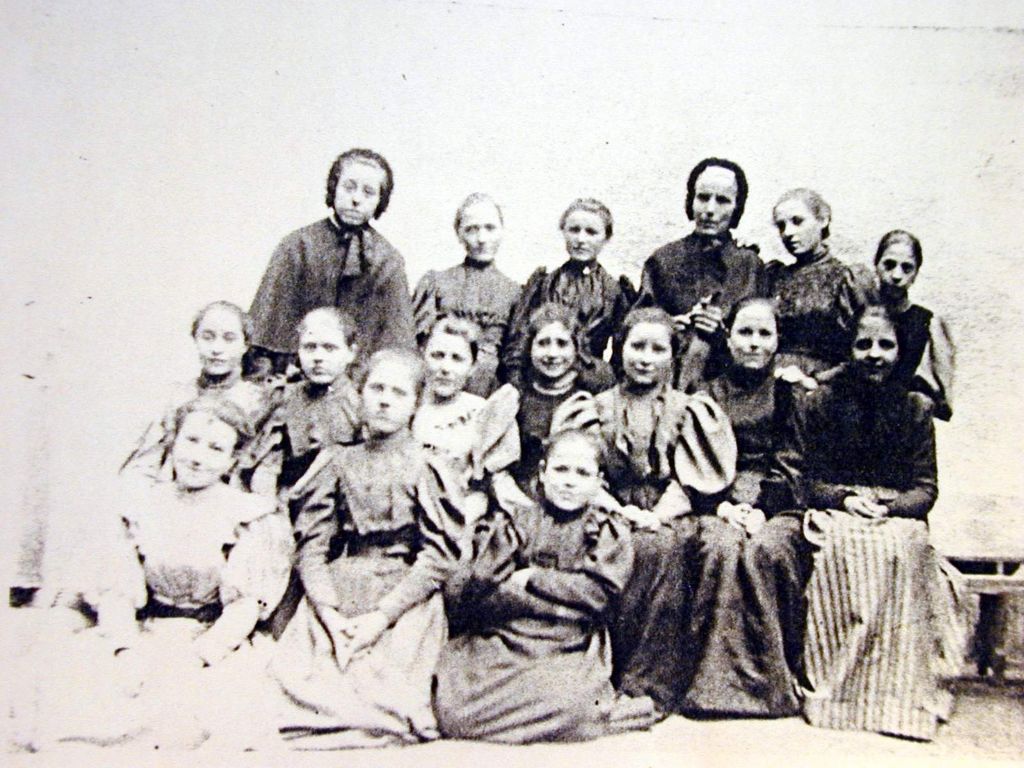
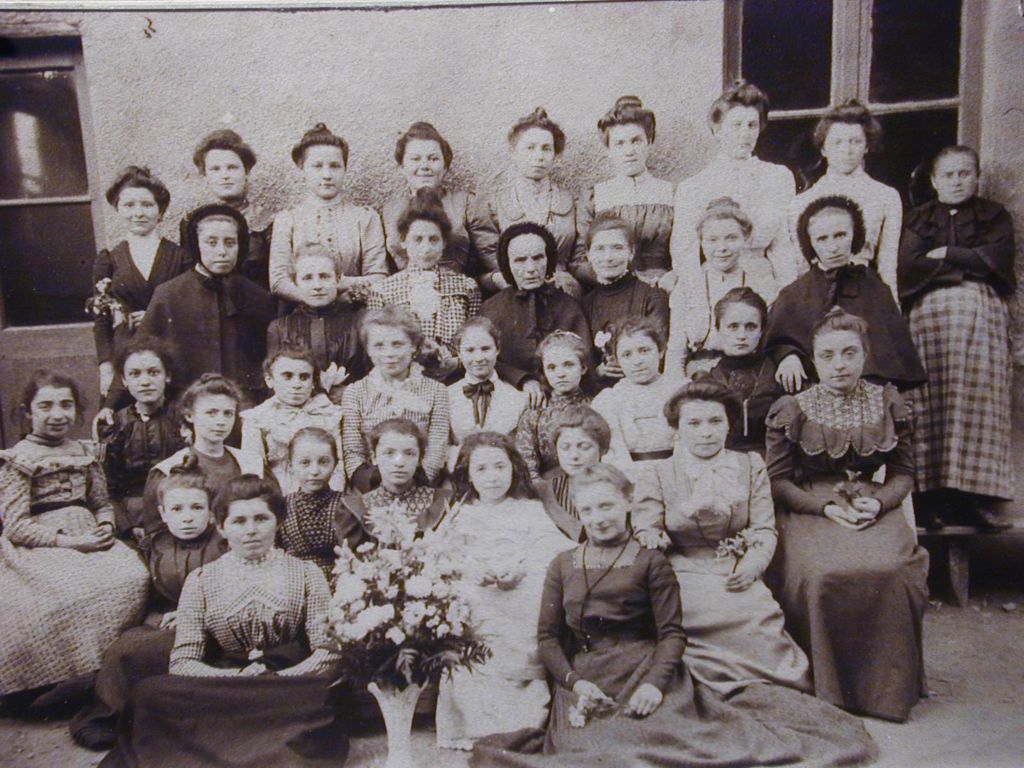
From the very beginning, one of the ways in which women committed themselves to the Prado was through religious life; they were pioneers, since as early as 1862. That year, Sr Marie Boisson took her vows in the Third Order of St Francis. She was working as a silk worker when she met Father Chevrier during the meetings he organised for young women at the Cité chapel. «At that time, I felt called to give myself entirely to the Good Lord,» she would say. Together with another young woman, she wished to consecrate her life to God at La Cité, where Father Chevrier was based. «We were already known as sisters, though we did not wear a habit.» She played a part in the establishment of Le Prado following the purchase of the ballroom in 1860 and became the first superior of the sisters. «I have only one true child who is as I wish her to be, and that is Sister Marie» acknowledges the Father Chevrier. In a homily delivered on 10 December 1952, to mark the anniversary of the founding of the Prado, Father Ancel exclaimed: «Sister Marie was Father Chevrier’s first collaborator. She could be described as a co-founder – alongside Father Chevrier – of the Sisters of the Prado.»
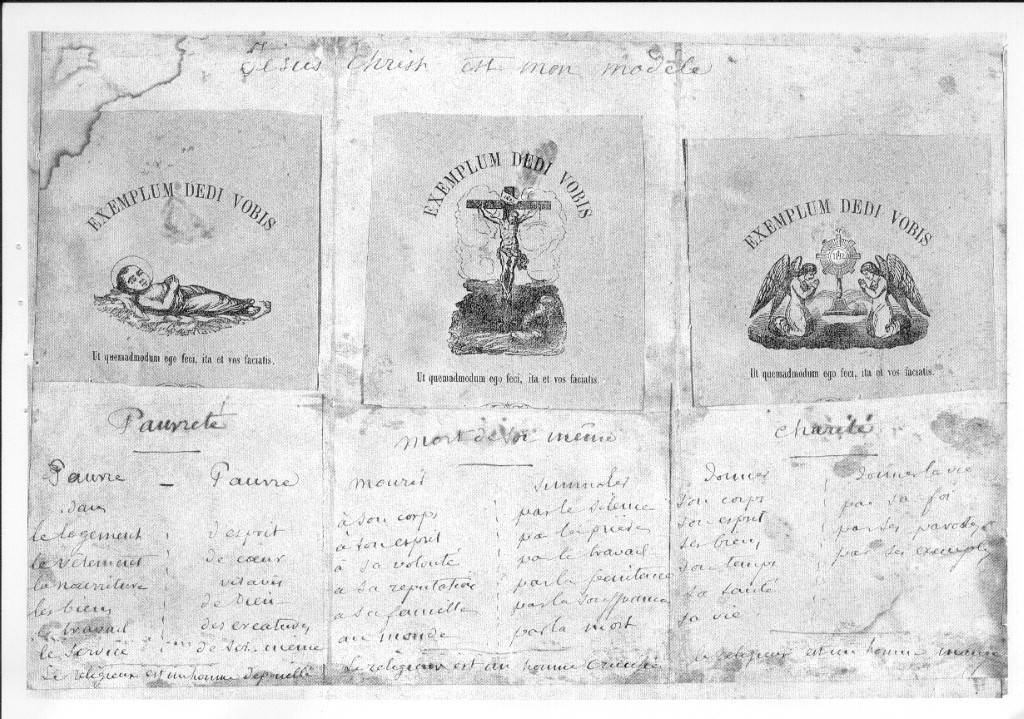
Father Chevrier realised the need to train the sisters and to provide them with a written rule as their numbers grew. He drew it up in 1864: it is based on the Third Order of St Francis and includes the necessary provisions to regulate the work of catechism and to set out the particular spirit of the new community: a set of rules that refers to the life of Jesus Christ and the living conditions of the poor in the neighbourhood.
Following their establishment at the Prado in the Guillotière district, the works founded by Father Chevrier served a variety of purposes. He involved the community of sisters in his experiments, his research and his foundations. They played a part in bringing Father Chevrier’s apostolic vision to fruition.
- 1era Communion (for 6 months, a group of boys and girls – together with the sisters – receive religious and general education, free of charge, without having to work.)
- Clerical college (for the training of seminarians)
- Charity for the Poor and Sick
- The parish of Moulin à Vent, where Father Chevrier became the first parish priest.
- Artwork by people with intellectual disabilities: an interview with Pierre Pacalet (adapted method…)
Later, a parish was established in the La Mouche neighbourhood, entrusted to Father Duret: «Notre-Dame des Anges», with a few nuns.
In 1864, Sister Véronique was put in charge of the novices’ formation.
Life in small communities is becoming more widespread, as they seek to «go where it is most needed»; and following their establishment in the Rhône region and across France, this way of living amongst the people is now spreading beyond France’s borders: A presence in Morocco, Italy and Algeria… which were the first foundations established outside France:
- 1958: Morocco and Algeria (until 1998)
- 1959: Italy (until 1984)
This movement did not arise from the initiative or ambition of the French sisters; rather, during the Second Vatican Council (1962–1965), a number of bishops met and shared their concern for evangelisation in disadvantaged, working-class communities. It was there that they met Bishop Ancel and discovered the Prado. This is why young people – whether priests, nuns or brothers – are drawn to the Prado.
These were the years of the Second Vatican Council (1962–1965), when a number of bishops met and shared their concern for evangelisation in disadvantaged, working-class communities. There they met Bishop Ancel (auxiliary bishop of Lyon and Superior of the Prado) and discovered the Prado. That is why young people – whether priests, nuns or brothers – were drawn to the Prado.
From 1965 to 1975, a major period of community establishment: French sisters joined the young people who wished to follow this vocation: to respond to the call to make Jesus Christ known to the poorest.
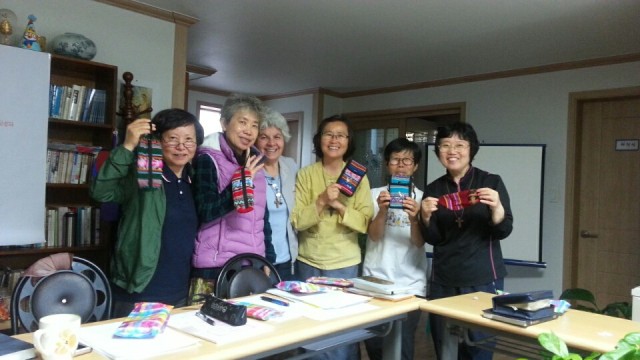
The Prado Sisters left France in 1958, joining the priests in Morocco four years after they had settled in Casablanca. A few of them moved to a suburb of Rome the following year, in 1959. French sisters were in Chile from 1965, in Spain from 1968, and in Algeria in 1970. This expansion continued into the 1970s: to Korea in 1975, to Bangladesh in 1977 and to India in 1979.
In the 1980s, the expansion continued: in the Indian Ocean, on Réunion (1981–1988) and in Madagascar in 1985; in Latin America, with a presence in Colombia (1987–2014) and, most recently, Vietnam in 2018, the result of trust and collaboration within the spiritual family.
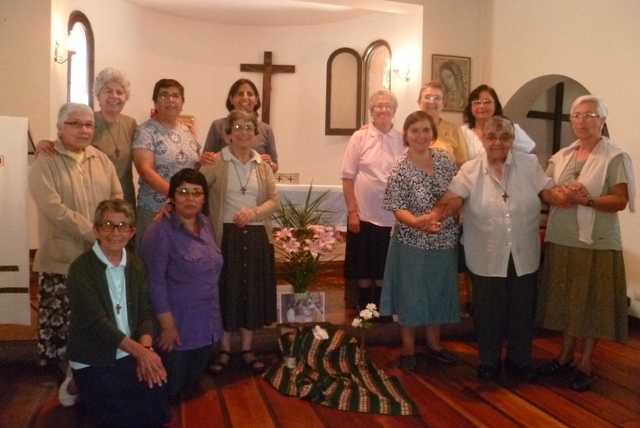
At present, the Sisters of the Prado are present not only in France but also, as of today, in Chile (since 1965), Korea (1975), India (1979), Madagascar (1997) and Vietnam (2018).
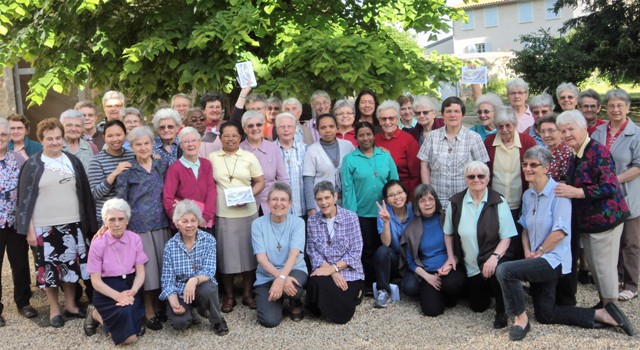
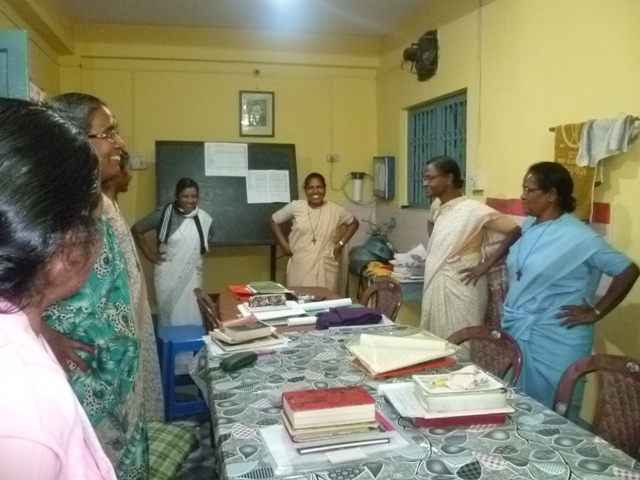
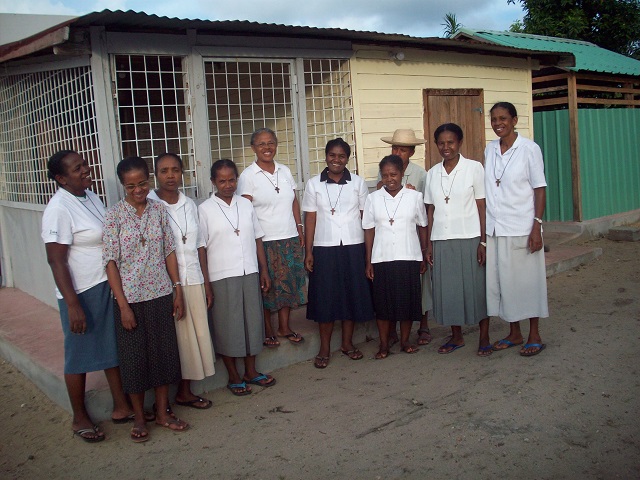
A a historian’s perspective on the history of the Prado family
Olivier Chatelan notes: « In 2022, to mark a gathering of the «branches of the Prado family in France», a comprehensive timeline was drawn up by Fr Yves Delavoix (a Prado priest from France) and Sister Rosa Lee (a Prado sister from Korea). This work is remarkable not only because it traces the key dates in the history of the Prado over its long history – and not just during Fr Chevrier’s time – but also because because it layers different strata : the history of the priests, but also that of the nuns, the laity and the brothers, whilst also including elements of the wider context.
Creative fidelity? Undoubtedly, and indeed even more than that: the frieze shows that the history of the Prado is valuable in its own right. Diverse in its various strands, it forms part of – and in turn shapes – a century and a half of the history of Lyon and French society, and beyond, in the various countries where the Prado has taken root – certainly in terms of its history as a religious institution, but also in the history of education, care, social engagement, secularisation and publishing. »