
«Blessed Antoine Chevrier: Following Jesus in his poverty»
A Brief Account of the Life of Blessed Antoine Chevrier
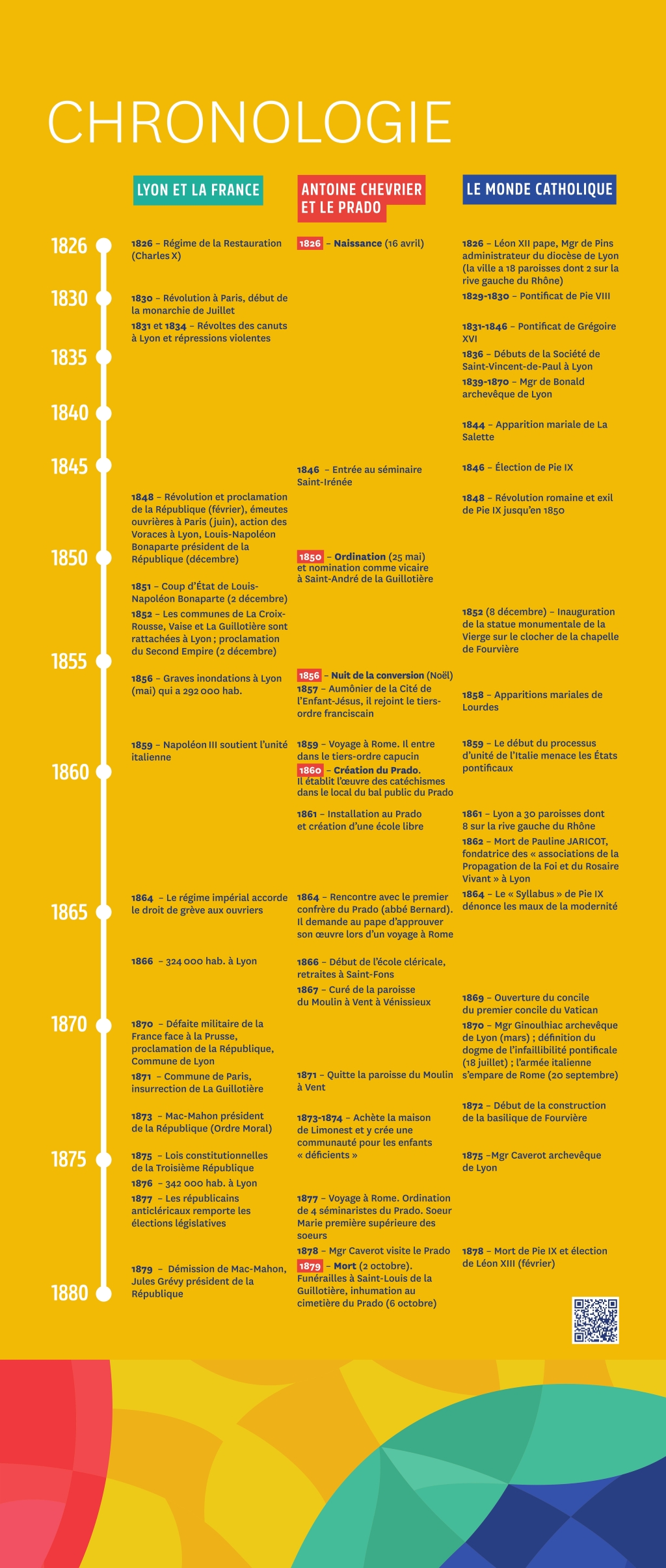
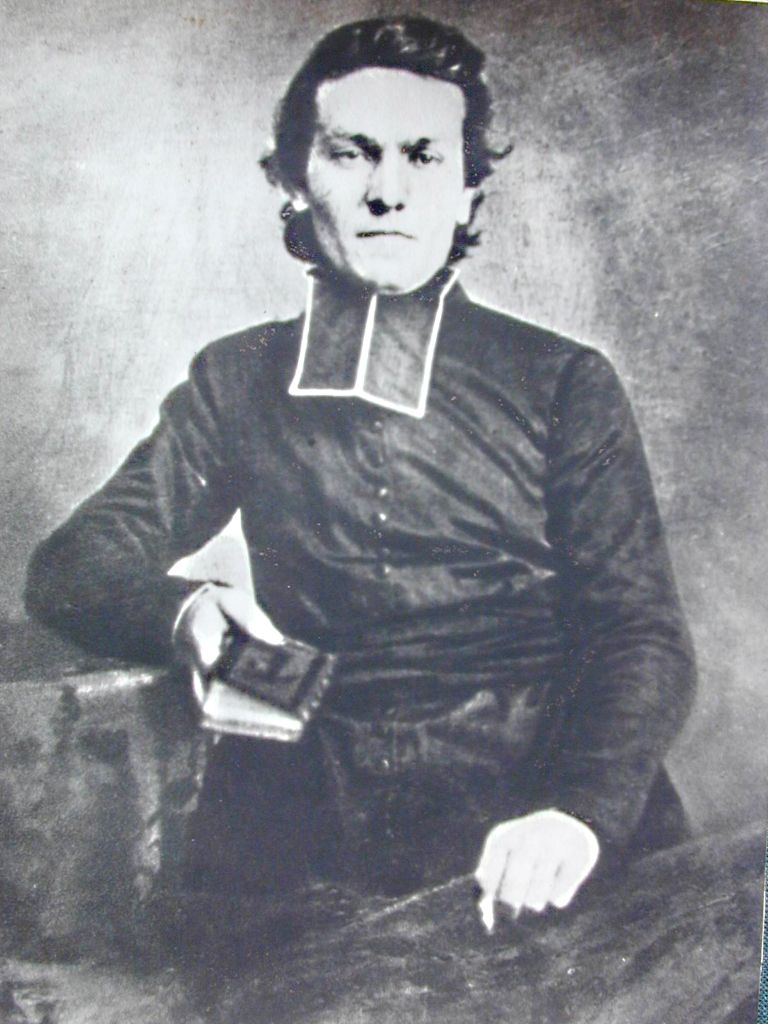
Antoine Chevrier was born on 16 April 1826 in Lyon, near Place Bellecour. His father was a clerk and his mother a silk worker. He received a strict upbringing. From a very early age, he was a devoted and helpful boy with a strong faith in God.
His life as a priest
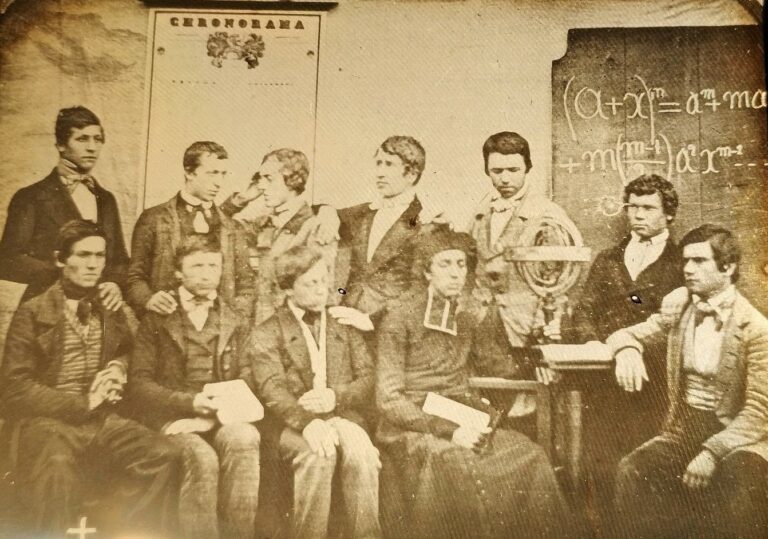
He was ordained a priest on 25 May 1850 for the Diocese of Lyon. Three days later, appointed curate at the parish of Saint-André in the La Guillotière district of Lyon, he was deeply moved by the extremely poor living conditions of the people he met. From the outset, the social situation in the neighbourhood deeply affected him.
Indeed, La Guillotière is a densely populated neighbourhood of Lyon where poverty and destitution are rife. The residents work in appalling conditions for very low wages. They are mainly employed in the textile, metalworking and chemical industries. The working days are long and hard, lasting 10 to 12 hours. The workers live in shabby brick houses surrounded by factories and workshops.
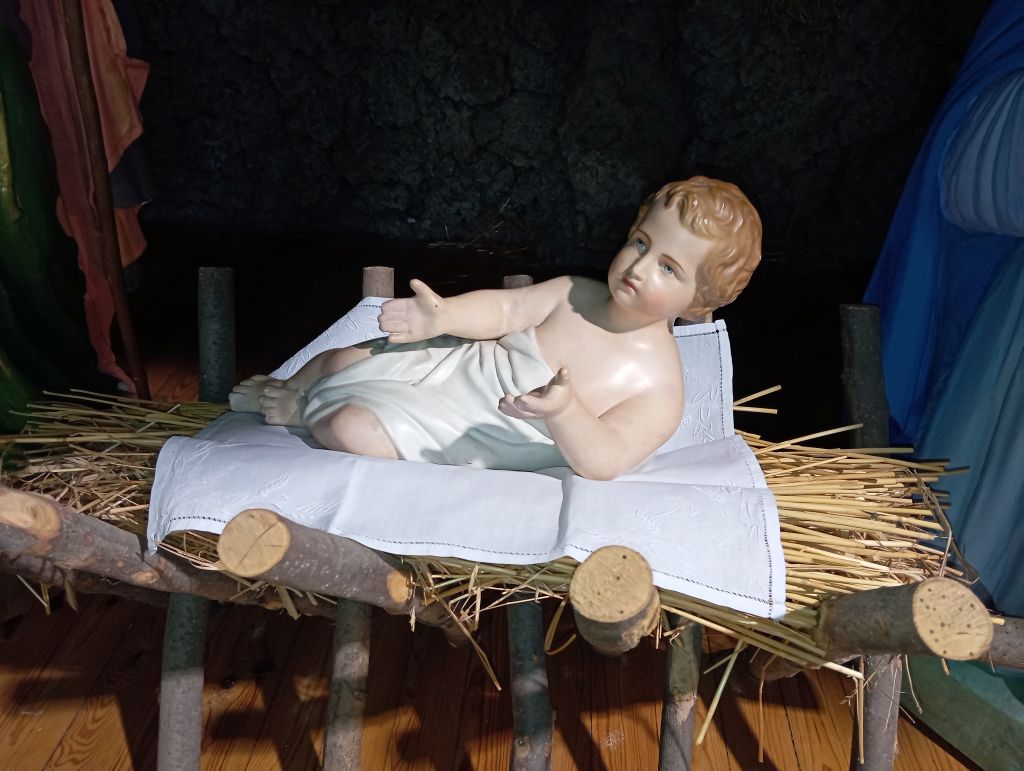
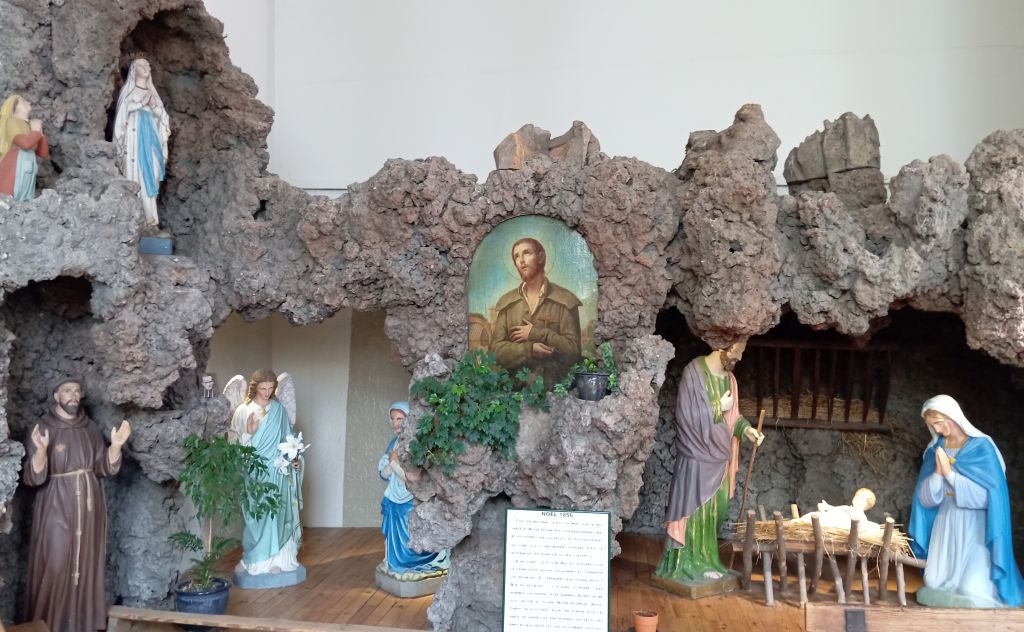
Antoine Chevrier soon began to feel distressed that he could not do more for all these poor people. Following the floods in the La Guillotière neighbourhood in May 1856, he was deeply moved by the plight of all those families who were rehoused at the Cité de l’Enfant-Jésus, thanks to the generosity of a layman, Camille Rambaud. Following in the footsteps of Jesus, Antoine Chevrier wanted to be close to them. He dreamt of poor priests and catechists who loved the poor. On Christmas Eve 1856, whilst praying before the nativity scene in Saint-André Church, he realised how, right where he was, he could follow his poor Lord amongst the poor. He then decided to make himself poor so that he might live amongst the poor, proclaiming this message to those around him: “”We are not forsaken by God; we have a Father who loves us.". The following year, Antoine Chevrier was appointed to the Cité de l’Enfant-Jésus to teach catechism to the children.
The founding of the Prado – 10 December 1860
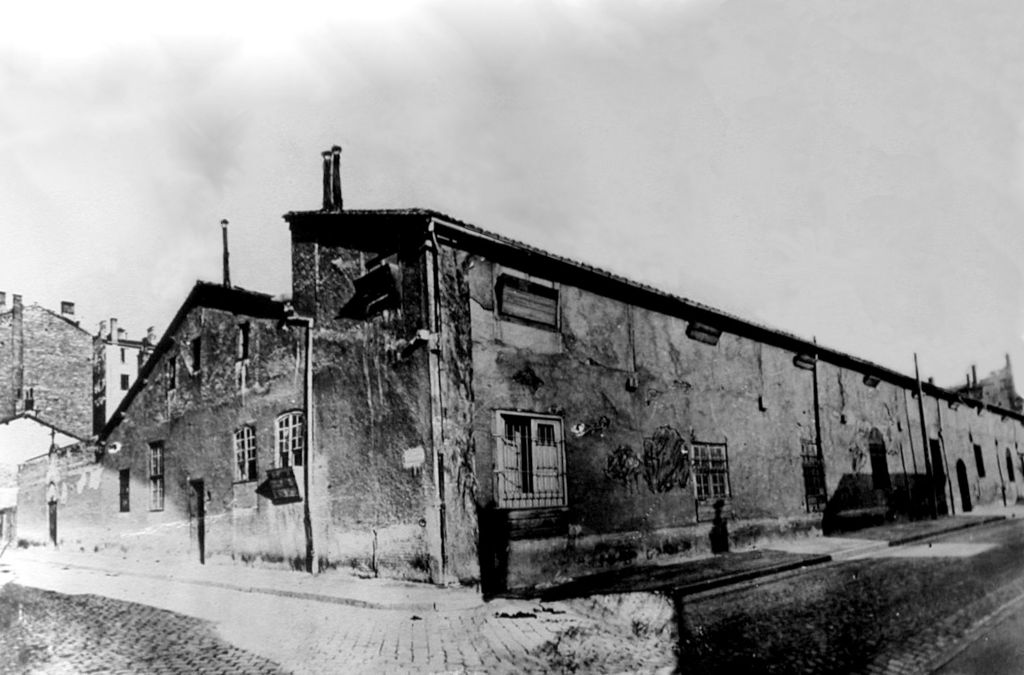
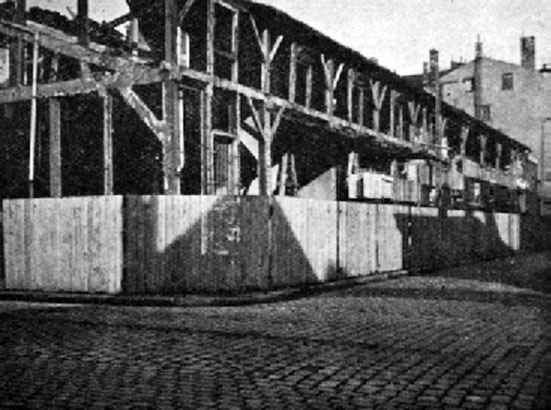
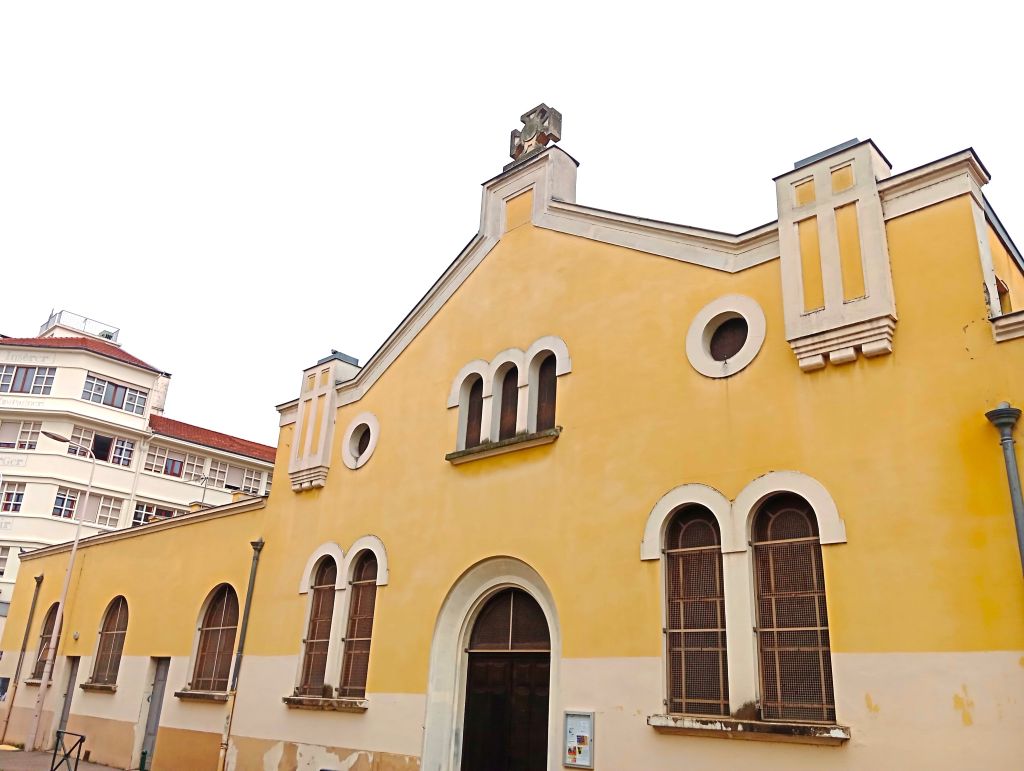
Three years later, Antoine Chevrier passed by a large ballroom that was in a very poor state of repair and up for sale. Antoine Chevrier felt that this place was a sign from God as to what he should do: find a large house to take in the poor. On 10 December 1860, the ballroom, known as “Le Prado”, was purchased and gradually refurbished. At Le Prado, for six months, around 50 of the most destitute children and teenagers were welcomed with kindness, compassion and love. It was like a school where they were cared for, treated with respect and educated; there they came to know Jesus. In all this, Father Chevrier was assisted by lay people: Pierre Louat, Amélie Vésignat and Marie Boisson, who would become the first Sister of Le Prado. Homeless people were also taken in at Le Prado. Father Chevrier spoke of this to the seminarians he was training: “”We are the servants of the poor; they may dispose of us and of everything at our disposal: our time, our health and our lives belong to them.’.
All these poor people need to be housed, fed and kept warm… Antoine Chevrier relies on Divine Providence: it is the poor and the workers who provide the Prado with what it needs to survive. Sometimes, when supplies run low, Antoine Chevrier goes out to beg… at the risk of being arrested by the police!
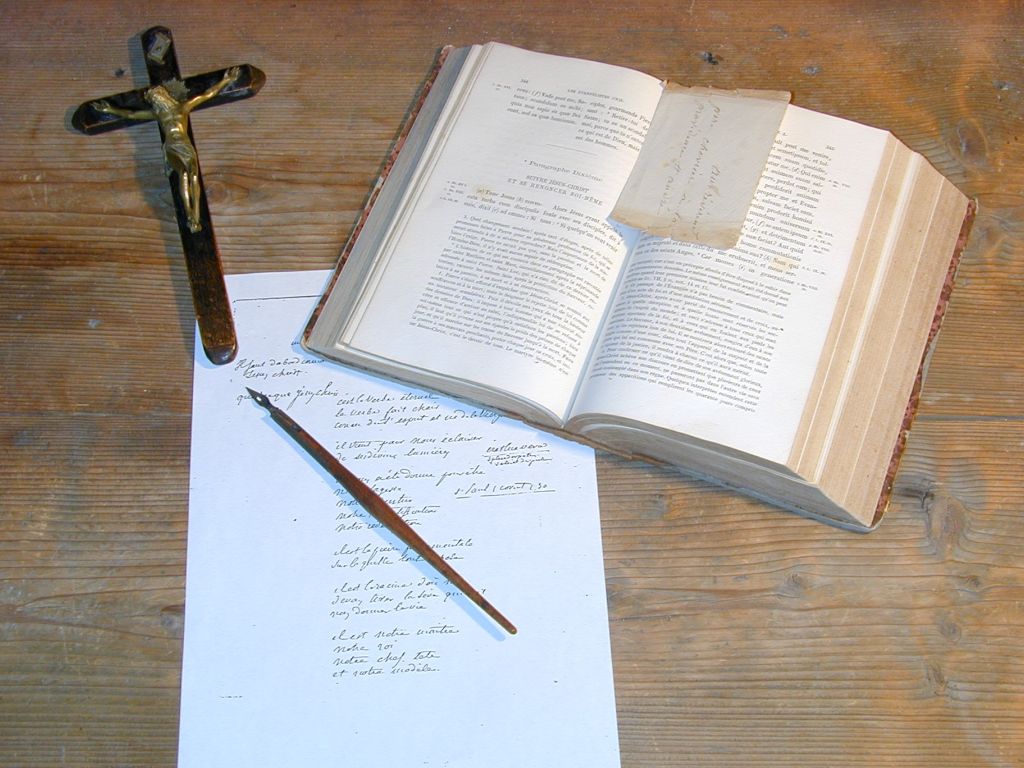
Antoine works hard; he is passionate about the Gospel. Every word and deed of Jesus illuminates his life. He wants everyone to come to know Jesus Christ. To this end, he forms a small group of priests for whom he writes a book entitled *The True Disciple*. In fact, he is founding a large spiritual family: brothers and sisters from the Prado join forces with the priests to evangelise the poorest. He invites them all to become true disciples of Christ.
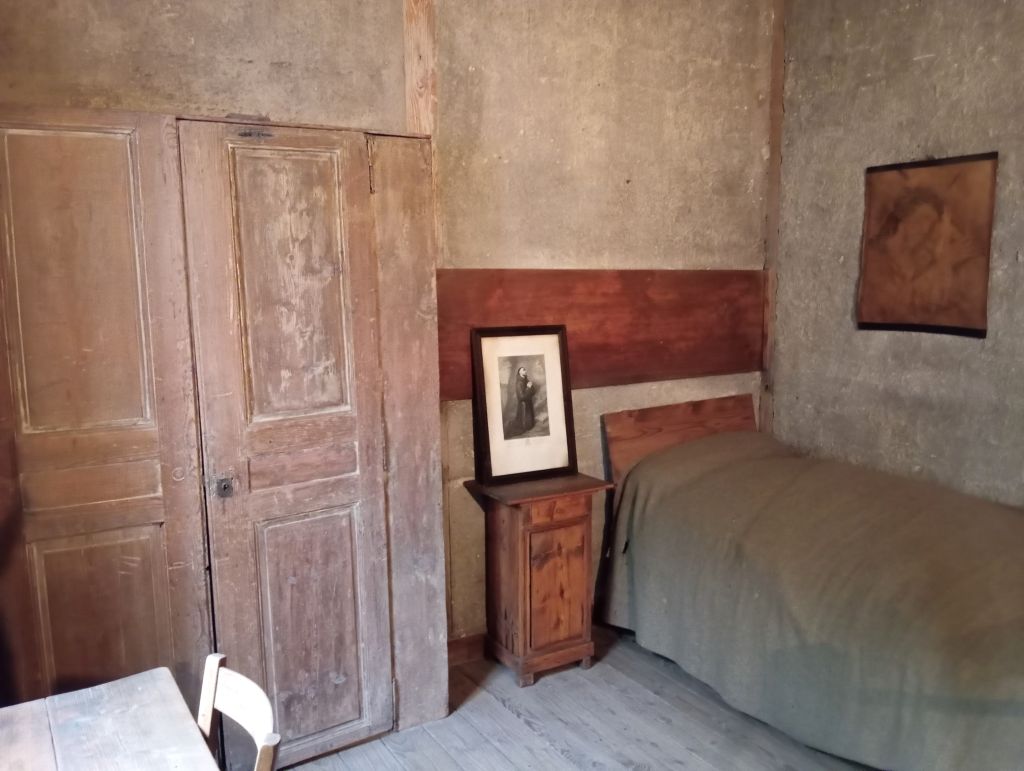
Father Antoine Chevrier was, above all, a man of prayer; those who knew him have recounted how lovingly he spoke of Jesus. Despite his busy life, he would often withdraw to pray in a small cottage in Saint-Fons, near Lyon. On the walls of one of the rooms there, he wrote his message himself: To be poor like Jesus in the manger, to forget oneself like Jesus Christ on the cross, and to give oneself to all like Jesus in the Eucharist.
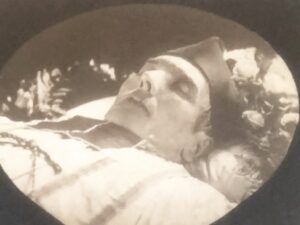
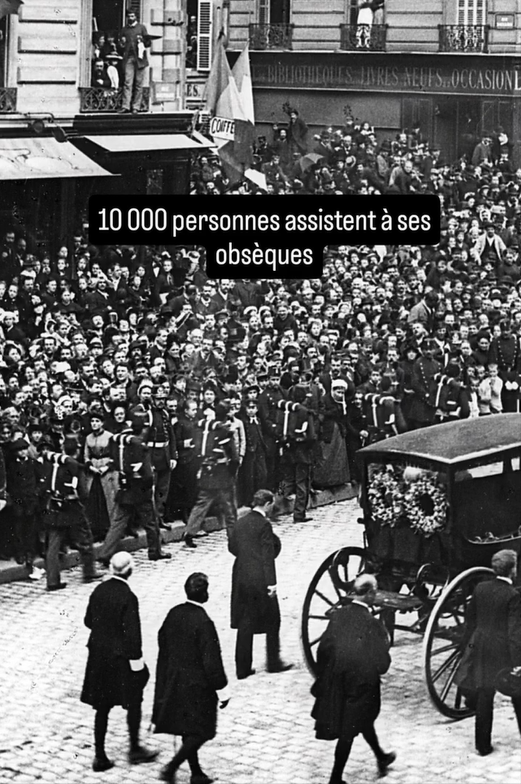
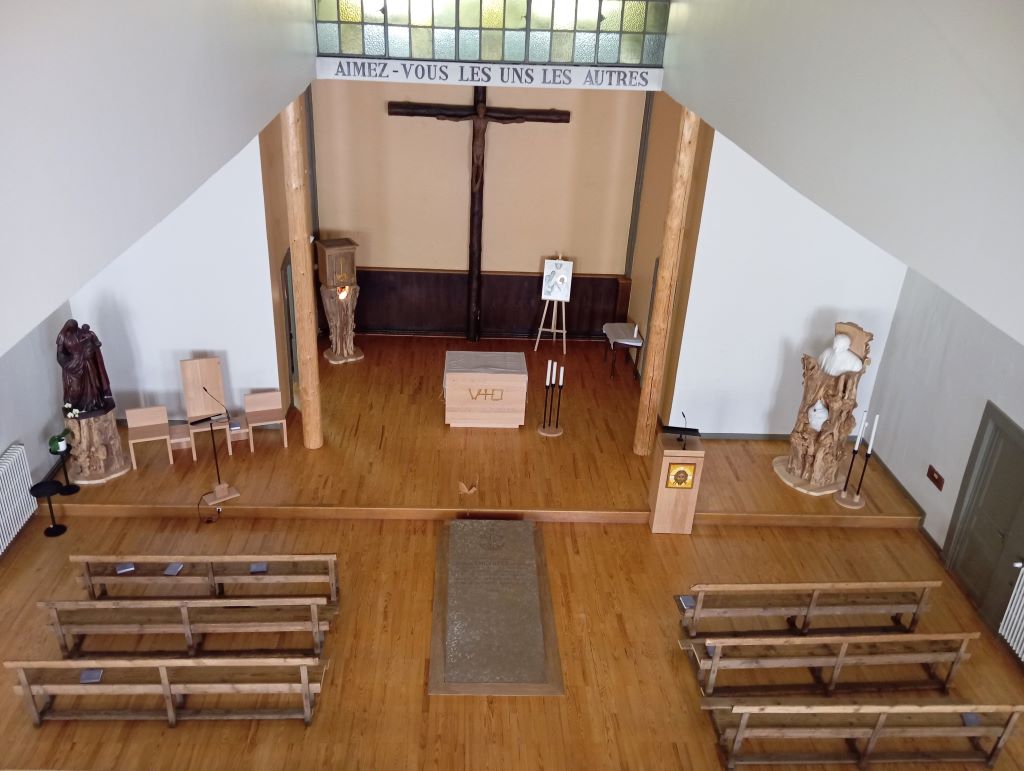
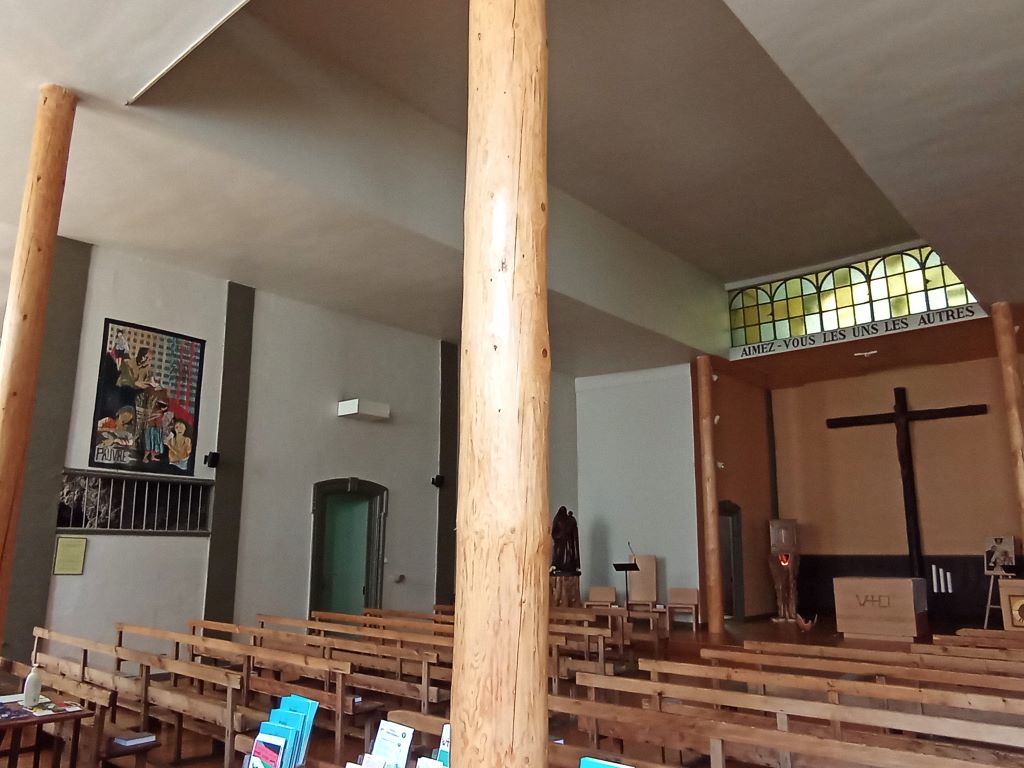
Having worked tirelessly and given himself entirely to his mission, Father Antoine Chevrier died at the age of 53, poor and suffering like Jesus. More than 10,000 people accompanied his coffin to the Prado Chapel, where he now rests.
The Prado’s spiritual family today
Today, the Prado spiritual family brings together diocesan priests in around forty countries. It also includes lay people and consecrated lay people, nuns, deacons and laypeople. Throughout the world, they work closely with the most disadvantaged people in parishes and poor neighbourhoods. They care in particular for migrants, unemployed young people, the elderly and prisoners.
Antoine Chevrier was beatified by Pope John Paul II on 4 October 1986 in Lyon, on the feast day of Saint Francis of Assisi, on poverello, a final tribute to the man who, too, had chosen to devote his life to serving the vulnerable and the poor. (5040)
Anonymous, undated text
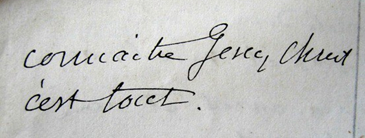
«Knowing Jesus Christ is everything»
Father Antoine Chevrier