«Blessed Antoine Chevrier: Following Jesus in his poverty»
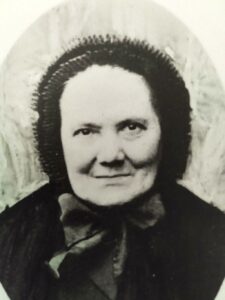
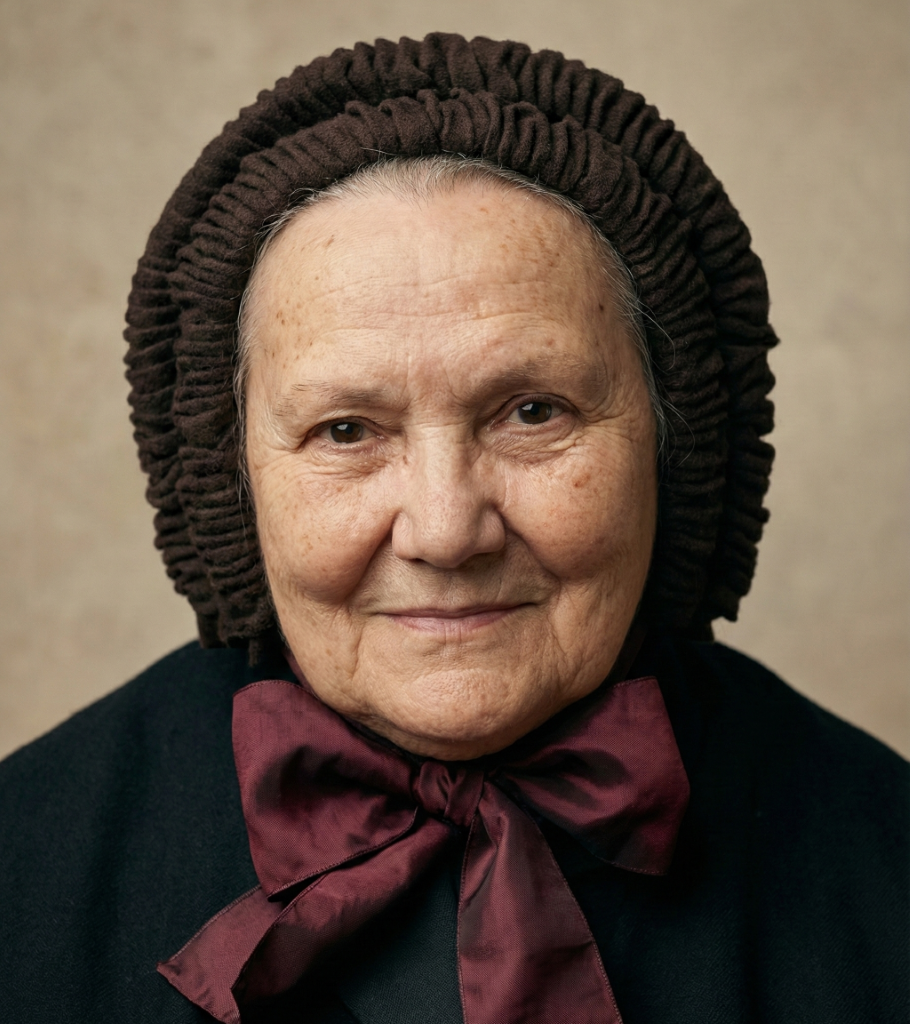
Testimony of Sister Véronique Lheraud (1842–1925)
Who is Sister Véronique?
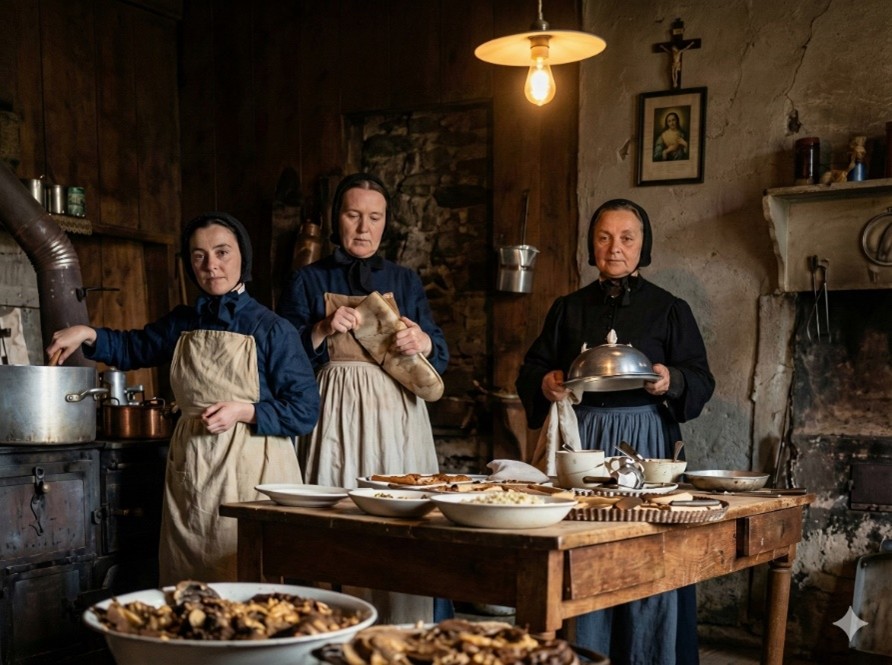
From 1860 onwards, Father Chevrier was surrounded by young women and men, whom he trained as «catechists». Some of them became nuns of «Le Prado». Sister Marie Boisson was to be the first superior, and Sister Véronique worked alongside her; she played a very active role in the early days of the Prado. She gave a lengthy testimony at the canonisation trial, written in a very personal style. Here are a few extracts.
About the first community of sisters
The Father would sometimes visit the sisters’ community whilst they were working. With his light step, he would walk through the corridors and enter the community room without being noticed; there, he would watch each of us as we worked in silence, and he would say to us «You can feel the presence of God here.». The Father had taken in the whole community at a single glance. « May poverty and simplicity always remain the hallmark of the children of the Prado ».
He was a saint!
«Father Chevrier is a saint. That is the general view, and it is my own personal view as well. I knew him from the age of 19 until I was 37. I was under his guidance for 18 years – six of them travelling the world and twelve spent in his home – and I was able to observe him closely, speak to him very often, and study him at length, but In every way and in every place, I always saw a saint – and a saint just as I wished to see him: gentle, kind and humble, cheerful, without affectation; just by looking at him, one was drawn towards God and towards virtue. He was a light to the world. He drew everything to himself. He allowed souls great freedom of spirit.
«People on the street used to say, ‘He’s a saint’: his tall stature, his head tilted slightly to the right, his solemn and silent gait, his gentle and modest gaze – everything about him was an inspiration.»
Father Chevrier was very fond of sinners. It was a real joy for him when a sinner came to him for confession. We saw him hearing confessions at all hours of the day and sometimes late into the night. How many times has he brought peace and harmony to families?
He died at the age of 53, from exhaustion.
« With Dr Levrat, It is easy to believe that it was fasting, deprivation and excessively arduous labour that caused Father Chevrier’s premature death. He was He was almost always seen to be busy at mealtimes; he did not eat on time and often did not eat at all. We could see him growing weaker and weaker, which was a cause of serious concern to us. Nevertheless, he carried on with his work.
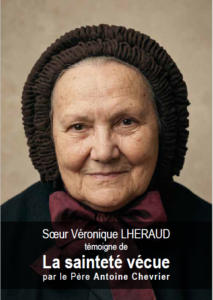
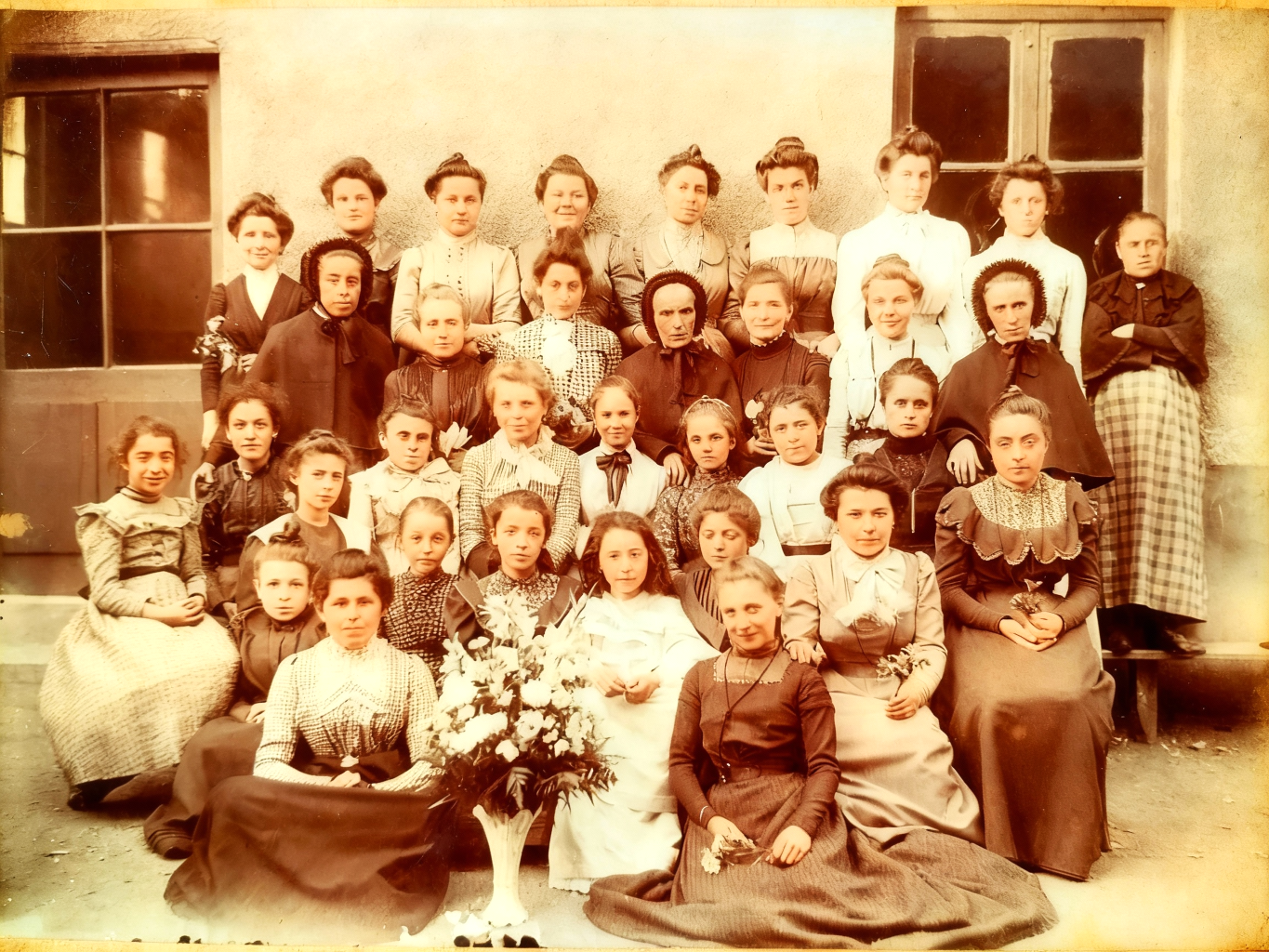
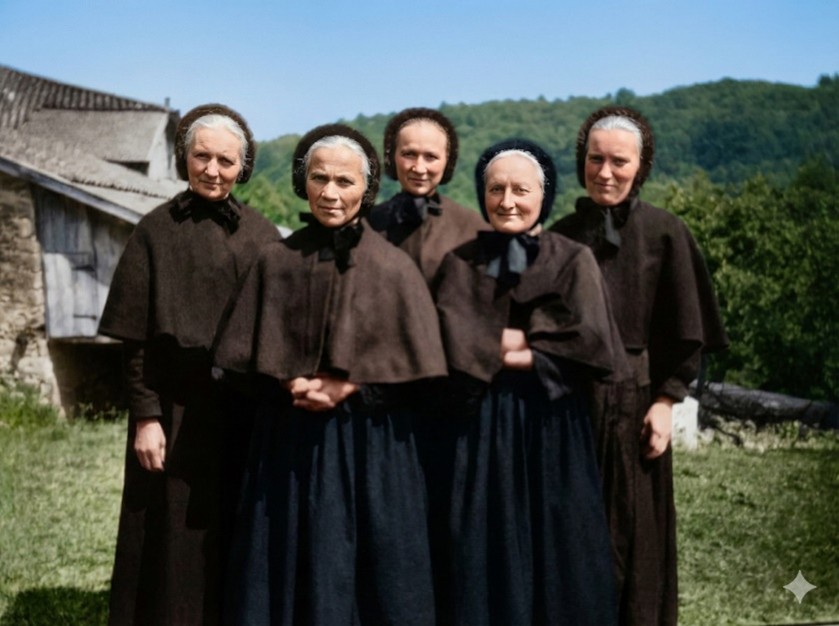
Recommended reading «Sister Véronique LHERAUD bears witness to a life of holiness». The book prepared by Jean-Yves Leborgne (priest at the Prado, Diocese of Rennes) contains only Sister Véronique’s own words, with no commentary added to her account. Her remarks have been organised into chapters to make them easier to read. Some sentences appear in bold, solely to emphasise their importance. Furthermore, some original old photographs have been enhanced using artificial intelligence to improve their quality for printing.
The booklet also contains a foreword by Sister Nora Rocco Quintero (General Superior of the Sisters of Prado) and an afterword by Father Diego Martín Peñas (General Superior of the priests and brothers of El Prado).
The book (76 pages with colour photographs) is published by the Prado (February 2026) to mark the bicentenary of Father Chevrier’s birth (1826–2026). Please feel free to Please contact us to order it.
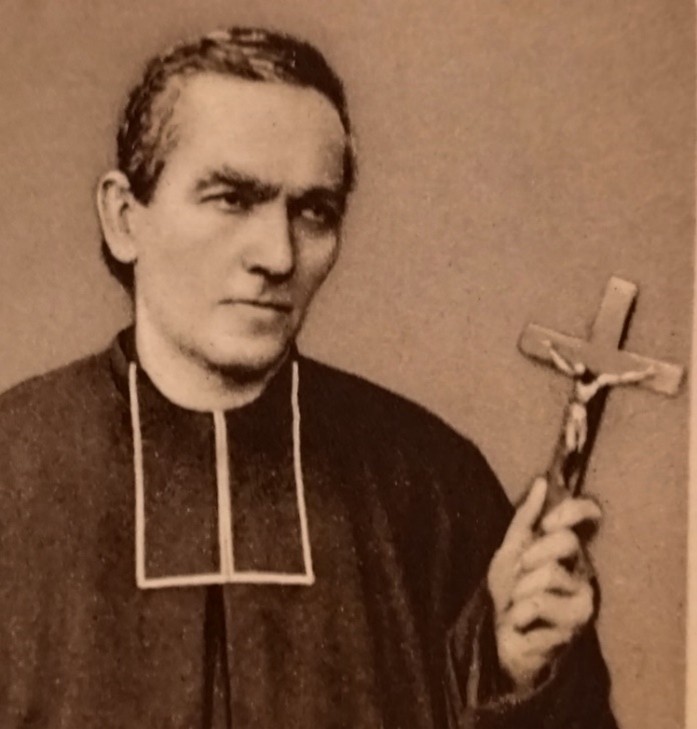
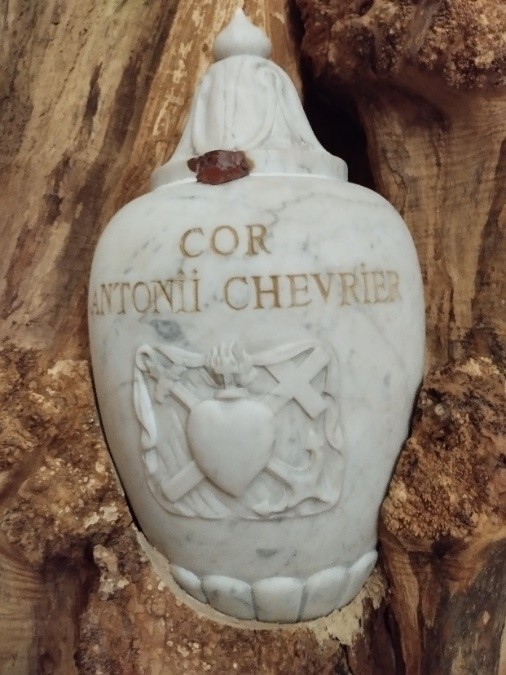
Excerpts from the beatification process of the Servant of God,
Antoine Chevrier, priest, Founder of La Providence du Prado (Vol. 2)
Section 243: How handsome he looked in the streets, with his tall stature, his head tilted slightly to the right, his solemn and silent gait, and his gentle, modest gaze; everything about him was inspiring. So one never tired of looking at him. People would turn to look at him in the streets and say, «He’s a saint.».
Article 47 : He was like a father amongst his children, making the highest teachings accessible to them. On Sundays, at Holy Mass, We were delighted to hear him explain the Gospel…
Article 85 : Seeing him at the altar, one was moved to pray in union with him. He made a deep impression on those present. You could hear people saying: «You can really hear his Mass at the Prado!»
Christmas Eve 1856: his conversion
Article 18 : The same person saw the Father selflessly risking his life to come to the aid of those affected by the floods of 1856. His dedication earned him the congratulations of the Head of State and the entire population.
Article 20 : But God gave him something better; on the night of At Christmas that same year, Father received great graces and extraordinary favours before the nativity scene of the Holy Child Jesus. He once said at the Prado: «It was at Saint-André that the Prado was born. It was whilst meditating on Christmas Eve on the poverty of Our Lord and his humiliation amongst men that I resolved to leave everything behind and live as simply as possible.».
Section 222 : But above all, it was It was during the founding of the Prado that Father Chevrier’s supernatural strength became apparent. He, naturally shy, lacked self-confidence, and feared responsibilities that might draw attention to him and get people talking about him. Not only did he set it up, but he also supported his organisation for nineteen years, shouldering such a heavy burden almost single-handedly.
«Training good nuns»
Section 280: « We have to live in poverty because we have nothing but what we are given to live on.«
« We must be content with little in terms of housing, clothing and food, and make do with the bare necessities in all things. «
First Communion Project
Article 42: Father Chevrier often spoke to us about how we should behave towards children. He wrote: «Let us be fathers and mothers to the children. …’We should always treat children with kindness and careseriousness, and never hit them. If they have faults, let us correct them, but let us be patient and pray for them».
Article 92 : Father Chevrier established the Catechism Scheme for neglected, uneducated children who had passed the usual age for First Communion. Several thousand people have already benefited from this wonderful initiative.
He used to say that to enter his house, there were three conditions: to have nothing, to know nothing, and to be worth nothing. He wrote: »The Catechism is the holiest of duties’ »and the most important person in the house'. He held the catechism in high regard and did not want to be disturbed whilst he was doing it.
Article 68 : We have seen The Father, delighted to be preparing his first pupils – whom he called his true children – for the priesthood. Moreover, as they were the object of his care, affection and hopes, he would say: »”I hope that, in time, my young priests will be able to assist me in the Work« .
«How beautiful Jesus Christ is!»
Section 106 : Father was very fond of the Holy Gospel; he read it, studied it and encouraged those in the house to read it often. He used to say: «Oh! What a beautiful book – let us make it the focus of our study. It is there that we learn to know Our Lord and to become saints.».
« May poverty and simplicity remain the distinctive character of the Prado’s children, as always ».
Section 221 : He would often visit a patient suffering from smallpox, and every time, he was kissing her despite all nature’s resistance. During the floods of 1856, he risked his life on several occasions to come to the aid of the victims of the scourge. None of this went unnoticed by the parishioners of St André; It did not take them long to realise that they had a saint amongst them.
Section 279 : The Father, out of a spirit of humility, wore a a cassock made of very coarse fabric. He insisted on choosing the fabric himself. Misses Mercier and Bonnard had bought him a coat; they had had it made with great care, and some pretty cords had been attached round the collar: Father tore them off and refused to wear it until it had been stripped back to its simplest form.
Section 287 : He wanted us to dress simply but neatly.
«You can feel God’s presence here»
Humility, simplicity
Section 203 : The Father would «sometimes come to the sisters’ community during working hours. With his light step, he would walk through the corridors and enter the community room without being noticed, and there he would watch each of us going about our work in silence and say to us «You can feel the presence of God here.» The Father had taken in the whole community at a single glance.
Article 267 : Every Friday, the Father would go to the door of La Charité to ask for alms; there, he would mingle with all sorts of poor people who were grumbling against him; he enjoyed their company and appeased his neighbours by giving them some of the money he had collected. He had to endure many humiliations whilst collecting this money; he was insulted, arrested and taken to the police station by police officers. But he was happy to endure all these humiliations for the love of Our Lord.
«I’m going to put some oil in my lamp»
Article 146 : I have always noticed in the Father a strong attraction to seclusion and solitude. Whenever he could, he would go to Saint-Fons, saying: «I’m going to fill my lamp with oil, I’m going to seek…’Seek wisdom; pray that I may find it« .
«To become good bread and let oneself be eaten»
Section 156 : He himself was that good bread.
Section 158 : Father Chevrier loved sinners dearly. It was a real joy for him when a sinner came to him for confession. So he would put everything aside for that soul. We saw him hearing confessions at all hours of the day and sometimes late into the night. How many times has he brought peace and harmony to families?.
Section 245 : Father Chevrier was the very picture of gentleness. That was what was so captivating about him. He was often seen with nuisances; he had always the same gentleness and kindness. His gentleness was certainly supernatural, for by nature he was very lively.
Mortifications – Illness
Section 74: The year 1878 was marked by a serious relapse which had previously come close to taking the Father away from his children. With Dr Levrat, It is easy to believe that it was fasting, deprivation and excessively arduous labour that caused Father Chevrier’s premature death. He was–He was almost always seen to be busy at mealtimes; he did not eat on time and often did not eat at all. We could see him growing weaker and weaker, which was a cause of serious concern to us. Nevertheless, he carried on with his work. He still wanted to lead a retreat for the sisters, some fifteen days before taking to his bed, never to rise again.
Section 369 : Father Chevrier is a saint. That is the general feeling; it is my own personal feeling. I knew him from the age of 19 until I was 37. I was under his guidance for 18 years – six of them travelling the world and twelve spent in his home – and I was able to observe him closely, speak to him very often, and study him at length, but all in all, I’ve always seen a saint and a saint just as I wished to see him: gentle, kind and humble, cheerful, without affectation; simply by looking at him, one was drawn towards God and virtue. He was a light to the world. He drew everything to himself. He allowed souls great freedom of spirit.
Yes, Father Chevrier is a Saint worthy to be placed on the altars.
Excerpts from the beatification process of the Servant of God,
Antoine Chevrier, priest, Founder of La Providence du Prado
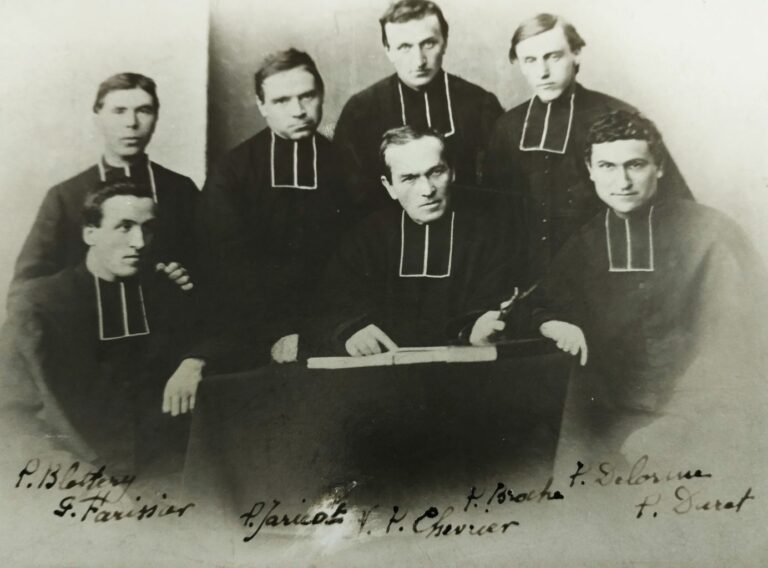
Who is Father Nicolas Delorme?
Nicolas Delorme entered the Prado on 19 September 1865 to prepare for his First Communion, and then, in October 1866, the A. Chevrier seminary. He was one of the four seminarians trained by Fr Chevrier and ordained as priests in Rome in May 1877. Once he had become a priest, Father Chevrier entrusted him, in addition to the Prado seminary, with organising a society for the promotion of perseverance, of which he was the first director. He left the Prado in 1885 and became a parish priest in the diocese of Lyon.
Testimony by Father Nicolas Delorme (1851–1918) on Father Chevrier
«Father Chevrier’s reputation for holiness was widespread, not only in the city of Lyon but also beyond its borders… I myself witnessed the influx of all manner of people who came to the Prado: rich and poor, men of the world, industrialists, officers, Members of Parliament, and many priests. The multitude of letters he received every day proves that his reputation extended far beyond Lyon.”.
»In my view, the origin of this reputation for holiness must be attributed to an inner holiness that shone out from him.’